/ ARCHIVAL PIGMENT
Craters of the Moon
Idaho, USAA field study of an active volcanic landscape.
The lava field covers about 620 square miles and is the largest predominantly Holocene lava field in the contiguous United States.
Eight major eruptive periods formed the present surface during the past 15,000 years; the youngest flows are about 2,100 years old. Apollo 14 astronauts trained at the site in 1969.
2018
Craters of the Moon / Photographs
- Year
- 2018
- Location
- Craters of the Moon Lava Field, Idaho, USA
- Designation
- U.S. National Monument, 1924
- Subject
- Basalt Lava Flows / Cinder Cones
- Equipment
- Leica S (Typ 007)
- Survey Type
- Field Photography
Craters of the Moon Lava Field
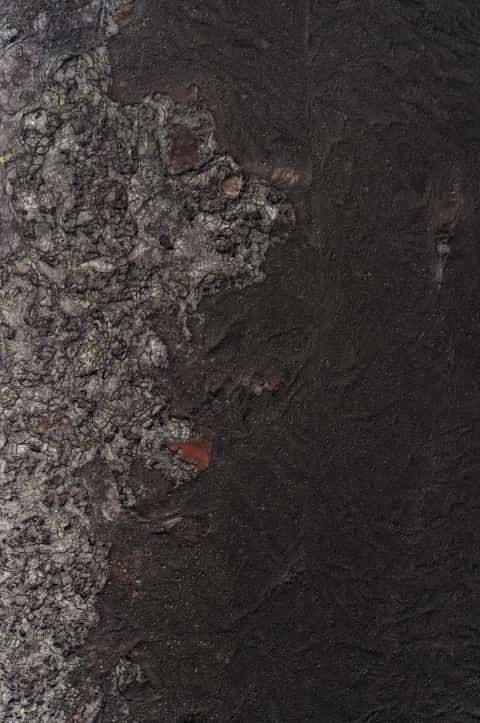
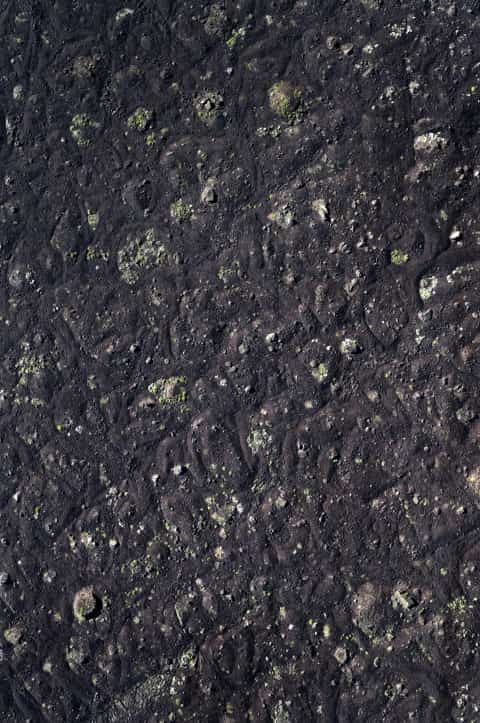
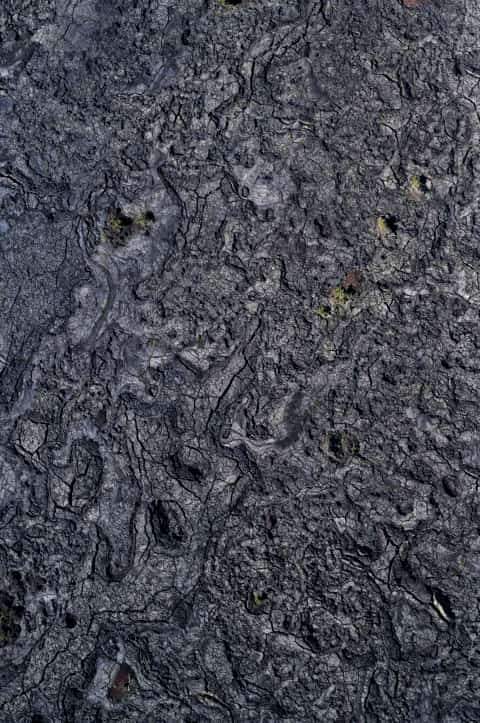
Craters of the Moon National Monument occupies a vast volcanic landscape on Idaho's Snake River Plain. Its lava flows, cinder cones, spatter cones, fissures, and sagebrush plains form one of the best-preserved recent volcanic terrains in the continental United States.
The lava field covers about 620 square miles and is the largest predominantly Holocene lava field in the contiguous United States.
Eight major eruptive periods formed the present surface during the past 15,000 years; the youngest flows are about 2,100 years old. Apollo 14 astronauts trained at the site in 1969.
Craters / 2018
/ ILFORD GALERIE GOLD FIBRE SILK
/ LAUMONT PHOTOGRAPHIC, NEW YORK
- Process
- Archival pigment print
- Paper
- Ilford Galerie Gold Fibre Silk
- Printer
- Laumont Photographic, New York
- Edition
- of 3 + 2 AP
Edition of 3 + 2 AP
EDITION OF 3, 2 APS
Craters